Attic & Crawl Space Restoration After Animal Damage in Montgomery & River Region
Wildlife in your attic or crawl space leaves behind more than just memories. Raccoons, squirrels, bats, and rodents contaminate insulation with their droppings and urine, introduce parasites like fleas and ticks, and create an environment that threatens your family's health and your home's air quality.
Wildlife & Exclusion Pro provides complete attic and crawl space restoration services for Montgomery and the River Region. We remove contaminated materials, sanitize affected areas, and install new insulation, often at a cost your homeowner's insurance may cover.
Why Restoration Matters
After wildlife is removed, many homeowners think the problem is solved. But the damage left behind continues to affect your home:
Health Hazards
Animal droppings and urine can spread serious diseases including histoplasmosis (from bat guano), hantavirus (from rodent droppings), salmonella, and leptospirosis. These contaminants can become airborne and circulate through your home's HVAC system.
Parasite Infestations
Wildlife bring parasites into your home, fleas, ticks, mites, and bat bugs. Even after the animals are gone, these parasites remain in contaminated insulation, waiting for new hosts. Without removal, they can migrate into your living space.
Odor Problems
Urine-soaked insulation creates persistent odors that worsen in hot weather. These smells can permeate your living space and are impossible to eliminate without removing the source.
Energy Efficiency Loss
Animals compress, displace, and contaminate insulation, reducing its effectiveness. Damaged insulation means higher energy bills and an uncomfortable home. New insulation can actually improve your home's efficiency beyond pre-damage levels.
Attraction of New Pests
Animal scents in contaminated insulation attract new wildlife to the same areas. Complete removal of contaminated materials is essential to prevent re-infestation.
Our Restoration Process
Step 1: Assessment
We inspect the affected area to assess the extent of contamination, identify damage to structure and systems, and document findings for insurance purposes. We provide a detailed estimate for restoration work.
Step 2: Contaminated Insulation Removal
Using professional equipment, we carefully remove all contaminated insulation. Our technicians wear appropriate protective gear and take precautions to prevent contaminants from spreading to your living space.
Step 3: Sanitization
We treat affected surfaces with commercial-grade sanitizers and enzyme-based cleaners that neutralize biological contaminants. This eliminates odors, destroys pathogens, and removes the scent trails that attract new wildlife.
Step 4: New Insulation Installation
We install new insulation to manufacturer specifications and local building codes. You can choose from blown-in fiberglass, cellulose, or other insulation types. New insulation is often more effective than the original, potentially improving your home's energy efficiency.
Step 5: Insurance Documentation
We provide complete documentation of damage and restoration for your insurance claim. Many homeowner's policies cover wildlife damage restoration, we'll help you understand your coverage and navigate the claims process.
Insurance Coverage
Many homeowner's insurance policies cover damage caused by wildlife, including insulation replacement and sanitation. Coverage varies by policy, but we've helped many customers recover the cost of restoration through their insurance. We provide the documentation and estimates your insurance company needs and can work directly with adjusters when helpful.
Restore Your Attic After Wildlife Damage
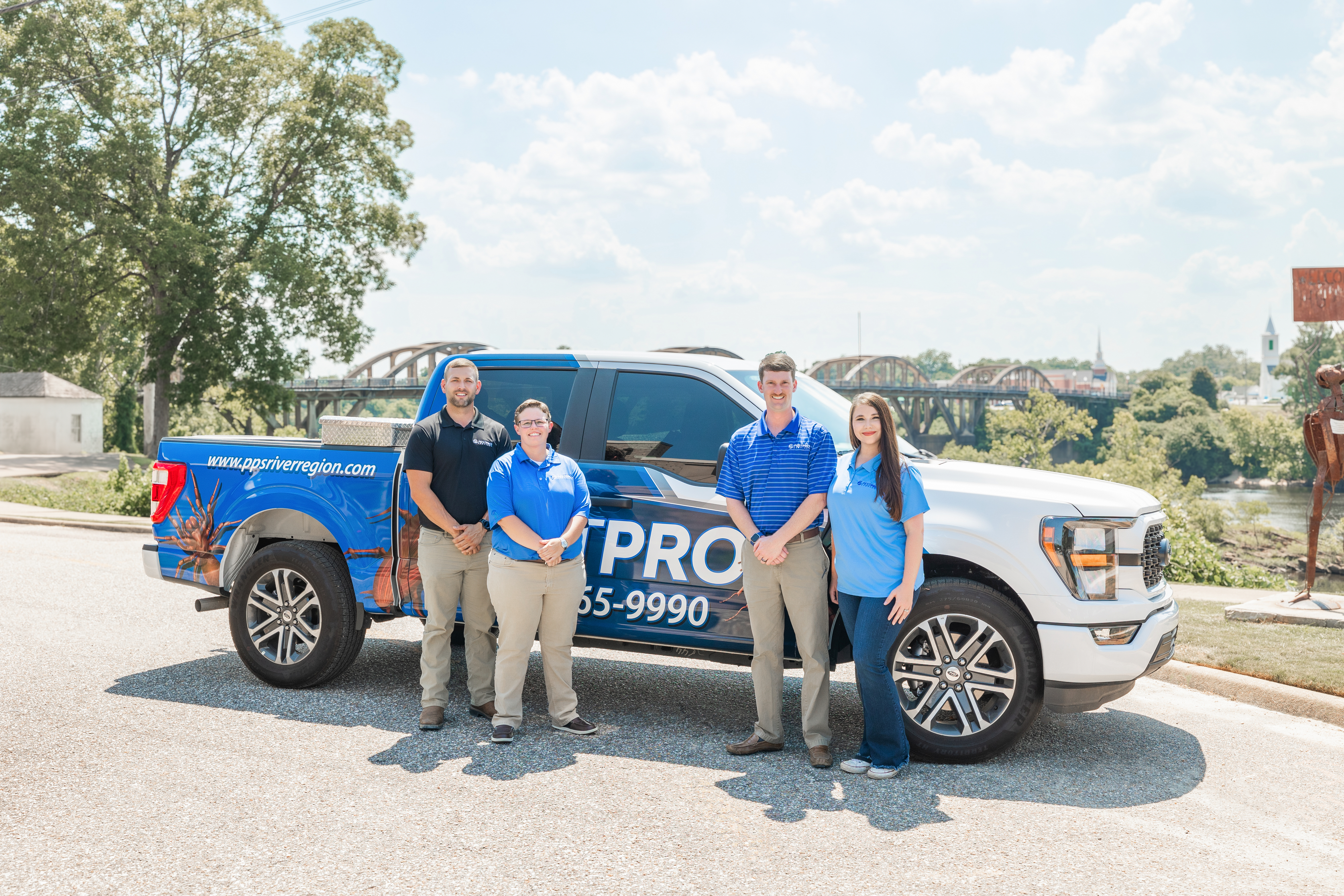
Don't live with contaminated insulation affecting your family's health. Call Wildlife & Exclusion Pro at 334-265-9990 for your free restoration assessment. We'll document the damage, provide a detailed estimate, and help you navigate insurance coverage.
Frequently Asked Questions
How Animal Activity Reduces Insulation R-Value
Insulation works by trapping pockets of still air that resist heat transfer between your living space and outdoor temperatures.
Fiber Compression
Raccoons and squirrels walking across loose-fill fiberglass or cellulose flatten the material, destroying the air pockets essential for thermal resistance.
Urine Contamination
Saturated insulation holds moisture against ceiling drywall, creating thermal bridges that allow heat to transfer freely while rotting ceiling framing.
Displacement & Tunneling
Rodents push insulation away from ceiling joists to construct runways and nests, leaving uninsulated gaps where conditioned air escapes.
Crawlspace Moisture, Fungus & Wood Structure Risks
Central Alabama's humid climate makes crawlspace subfloors vulnerable to excessive moisture accumulation. When wildlife damages crawlspace vents, tears down floor insulation, or disturbs soil vapor barriers, relative humidity rises rapidly.
High subfloor moisture combined with animal waste creates ideal conditions for wood-decaying fungi that weaken wooden floor joists and support beams over time.
Key Crawlspace Vulnerabilities
Informational Questions About Attic & Crawlspace Restoration
Proudly Serving Alabama's River Region
Headquartered in Millbrook, Alabama, we provide fast, reliable local service across four primary River Region counties.
Montgomery County
Elmore County
Autauga County
Macon County
Tallapoosa County
Don't see your city?
If you're in or near the River Region, chances are we serve your area!
Proud Members & Industry Partners
We hold ourselves to the highest industry standards through our professional affiliations and local memberships.